
Lae rugpyn / Verstaan Operasie
Moet Ek 'n Operasie Kry vir Lae rugpyn?
Waarom 'n abnormale MRI nie outomaties 'n operasie beteken nie, wanneer 'n operasie werklik oorweeg kan word, en die vrae wat eers gevra moet word.
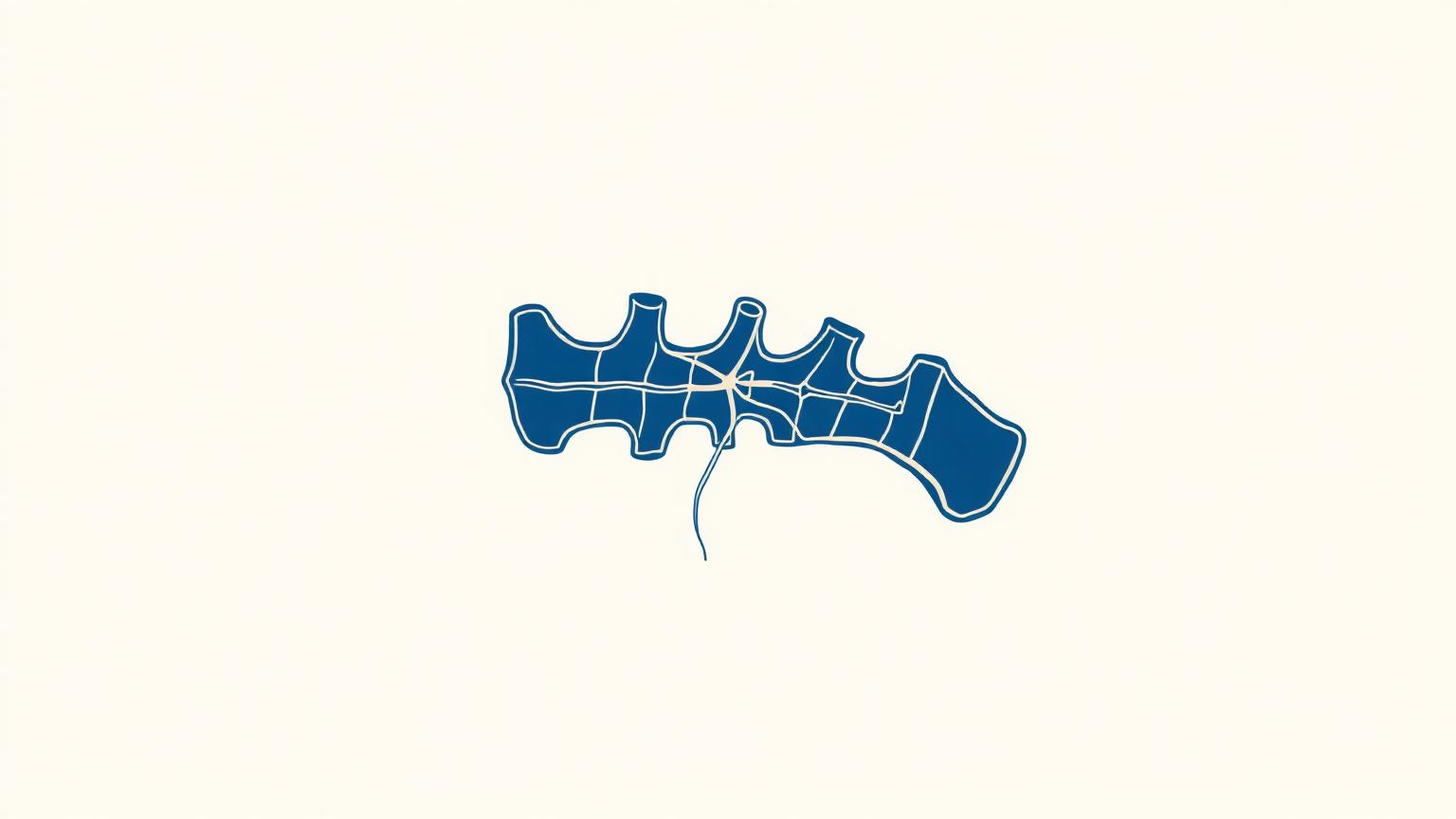
If you've been told that you have a disc problem, nerve compression, spinal stenosis or another abnormality on an MRI, you may be wondering whether surgery is your next step.
Surgery can absolutely be the right choice in certain situations, and for some people it is life-changing. But it isn't automatically required simply because an MRI looks abnormal.
Does Lower Back Pain Usually Require Surgery?
For most people, no. Uncomplicated lower back pain is initially managed without surgery, and guidelines across the UK, Canada and the United States recommend starting with education, movement, exercise-based rehabilitation and appropriate symptom management.1
Surgery is generally reserved for selected situations — usually where there is a specific structural problem that fits the symptoms, and where non-surgical treatment hasn't achieved what's needed.
Why Doesn't a Bad MRI Automatically Mean You Need Surgery?
Because there can be a real mismatch between what a scan shows and what a person experiences.
One person may have a scan described as significantly degenerate, yet walk, work and train comfortably. Another may have a scan described as fairly unremarkable and be genuinely struggling. Both are common.
Four things need to line up before a structural finding becomes a surgical target:
- The MRI findings
- Your symptoms — where they are, what brings them on, how they behave
- Your physical examination, including any neurological findings
- Your functional limitations — what you actually can't do
"Don't operate on the MRI. Make the decision based on the person, their symptoms, their goals and the evidence."
Before making a decision based on a scan, it may help to understand whether imaging was needed in the first place and what those findings mean.
When Might Back Surgery Be Considered?
Surgery may be considered in selected situations. Being in one of these groups does not mean surgery is required — it means it becomes a reasonable option to discuss:
- Persistent, genuinely disabling symptoms despite an adequate trial of appropriate non-surgical treatment
- Certain cases of sciatica caused by nerve compression that fits the symptoms
- Specific spinal stenosis presentations, particularly where walking tolerance is severely limited
- Significant or progressive neurological problems, such as increasing weakness
- Specific structural problems where surgery has a reasonable, evidence-based rationale
What About a Herniated or "Slipped" Disc?
A disc sits between two vertebrae and acts as a cushion. In a herniation, some of the softer inner material pushes out through the tougher outer ring. Nothing actually "slips" out of place, despite the name.
A herniated disc can irritate or compress a nearby nerve, which is why symptoms are often felt in the leg rather than the back. Importantly, many disc herniations settle over time without surgery, and symptoms frequently improve as the irritation reduces.
What matters most is the pattern: how severe the nerve symptoms are, whether there is measurable weakness or loss of reflexes, whether things are improving or worsening, and how much function you've lost. Surgery is usually considered when severe nerve-related symptoms persist despite appropriate treatment, or where there is significant neurological involvement.
What About Sciatica?
Sciatica is a description, not a diagnosis. It means pain travelling down the leg along the path of the sciatic nerve, often with pins and needles, numbness or weakness. It usually reflects irritation or compression of a nerve root in the lower back.
Many cases improve over weeks to months with time, movement, rehabilitation and appropriate symptom management.1 Severe, persistent or worsening nerve-related symptoms warrant further assessment, and in some of those cases surgery to decompress the nerve is discussed.
What About Spinal Stenosis?
Spinal stenosis means there is less space in the spinal canal or where nerves exit. It's usually related to age-related changes in the discs, joints and ligaments.
The classic pattern is leg pain, heaviness or fatigue that comes on with walking or standing and eases with sitting or bending forward. Decisions here tend to hinge on walking tolerance, neurological findings and quality of life, rather than on the degree of narrowing seen on the scan.
When Is Back Surgery More Urgent?
Some symptoms need urgent assessment rather than a wait-and-see approach. Seek urgent medical care if you develop:
- New problems controlling your bladder or bowels
- Numbness around the groin, genitals or inner thighs (the 'saddle' area)
- Severe or rapidly progressing weakness in a leg or foot
- Other significant or worsening neurological changes
What Should You Try Before Surgery?
This depends entirely on the situation, and not every person should follow the same pathway. For many people, non-surgical management includes some combination of:
- Education about what is going on and what to expect
- Exercise and progressive loading
- Physiotherapy-led rehabilitation
- Temporary activity modification rather than complete rest
- A gradual, planned return to work, exercise and sport
- Appropriate medication, discussed with a clinician
- Addressing contributing factors such as sleep, stress and fear of movement
- Monitoring symptoms over a sensible timeframe rather than deciding on day one
For an overview of non-surgical options, read How Should Lower Back Pain Be Managed?
Questions to Ask Before Having Back Surgery
You don't need medical training to have a good conversation with a surgeon. You need good questions. These are worth writing down and taking with you:
- 1.What exactly is the surgery intended to fix?
- 2.Do my symptoms match what you see on the MRI?
- 3.What happens if I don't have surgery?
- 4.What are the expected benefits, and how likely are they?
- 5.What are the risks and possible complications?
- 6.What are the alternatives, including non-surgical options?
- 7.What should I realistically expect afterwards — recovery time, rehab, limitations?
- 8.How long should I try non-surgical treatment before deciding?
- 9.What happens if the surgery doesn't improve my symptoms?
The Bottom Line
An MRI can show you what is happening structurally, but the decision to have surgery should be based on much more than a scan.
Surgery isn't a failure, and avoiding surgery isn't a victory. The aim is a decision that fits your symptoms, your examination findings, the evidence and what you want your life to look like — made with a clinician who has assessed you properly.
Trying to understand your MRI before making a decision?
Mediese verslae kan moeilik wees om te verstaan. Eina! help jou om jou gesondheidsinligting in eenvoudige taal te verstaan en in konteks te plaas, sodat jy 'n beter ingeligte gesprek met jou gesondheidsorgpraktisyn kan hê.
Verstaan My SituasieJy kan ook lees hoe Eina! werk of die beskikbare opsies.
Verwysings en Verdere Leesstof
- 1. NICE Guideline NG59: Low back pain and sciatica in over 16s — assessment and management — National Institute for Health and Care Excellence
- 2. Evidence-Informed Primary Care Management of Low Back Pain (Canada, 2015) — Toward Optimized Practice
- 3. Diagnosis and Treatment of Low Back Pain: a joint clinical practice guideline from the American College of Physicians and the American Pain Society — Annals of Internal Medicine, 2007
- 4. Noninvasive Treatments for Acute, Subacute, and Chronic Low Back Pain: a clinical practice guideline from the American College of Physicians — Annals of Internal Medicine, 2017
This article is general education, not a diagnosis or an individual treatment recommendation. It cannot tell you whether surgery is right for you — that requires an in-person assessment by a qualified clinician. If you develop new bladder or bowel problems, numbness around the groin or buttocks, or severe or worsening weakness, seek urgent medical assessment.
Lees verder
Nek / Verstaan Jou Simptome
Nekpyn: Wat Dit Gewoonlik Beteken en Wat om te Vra
Waarom die meeste nekpyn vanself bedaar, waarna styfheid, hoofpyn en armsimptome kan wys, wanneer om vroeër hulp te soek, en hoe om jou vir die gesprek voor te berei.
Skouer / Verstaan Jou Diagnose
Skouerpyn: Rotatorkraag, Beknelling en Wat die Woorde Beteken
Eenvoudige verduidelikings van die terme wat oor skouers gebruik word, waarom 'n skandeerbevinding nie outomaties die oorsaak is nie, en wat gewoonlik eerste help.
Enkel / Verstaan Jou Besering
Enkelverstuitings en Aanhoudende Enkelpyn: Wat om te Verwag
Hoe enkelverstuitings gewoonlik herstel, waarom sommige seer of onstabiel bly, wanneer 'n X-straal werklik nodig is, en hoe goeie rehabilitasie lyk.